
OEM Integration
Integrate TTT technology into your next HRSG build
Bringing field-proven connection technology into new equipment from the beginning.
Tuff Tube Transition technology is not limited to aftermarket repair. TTT works with Original Equipment Manufacturers to integrate our patented connection technology into new HRSG bundles, headers and pressure-part assemblies.
By incorporating genuine TTT components into an approved OEM design, manufacturers can take advantage of the same connection technology developed to address the installation challenges, thermal fatigue and recurring failure mechanisms seen in operating plants — while retaining control and responsibility for their underlying equipment design.
Engineered into the design
Engineered into the design — not added as an afterthought.
Traditional HRSG designs can create challenging weld configurations where relatively thin-walled tubes meet heavier components or where conventional tube-to-tube butt welds are required.
TTT technology takes a different approach.
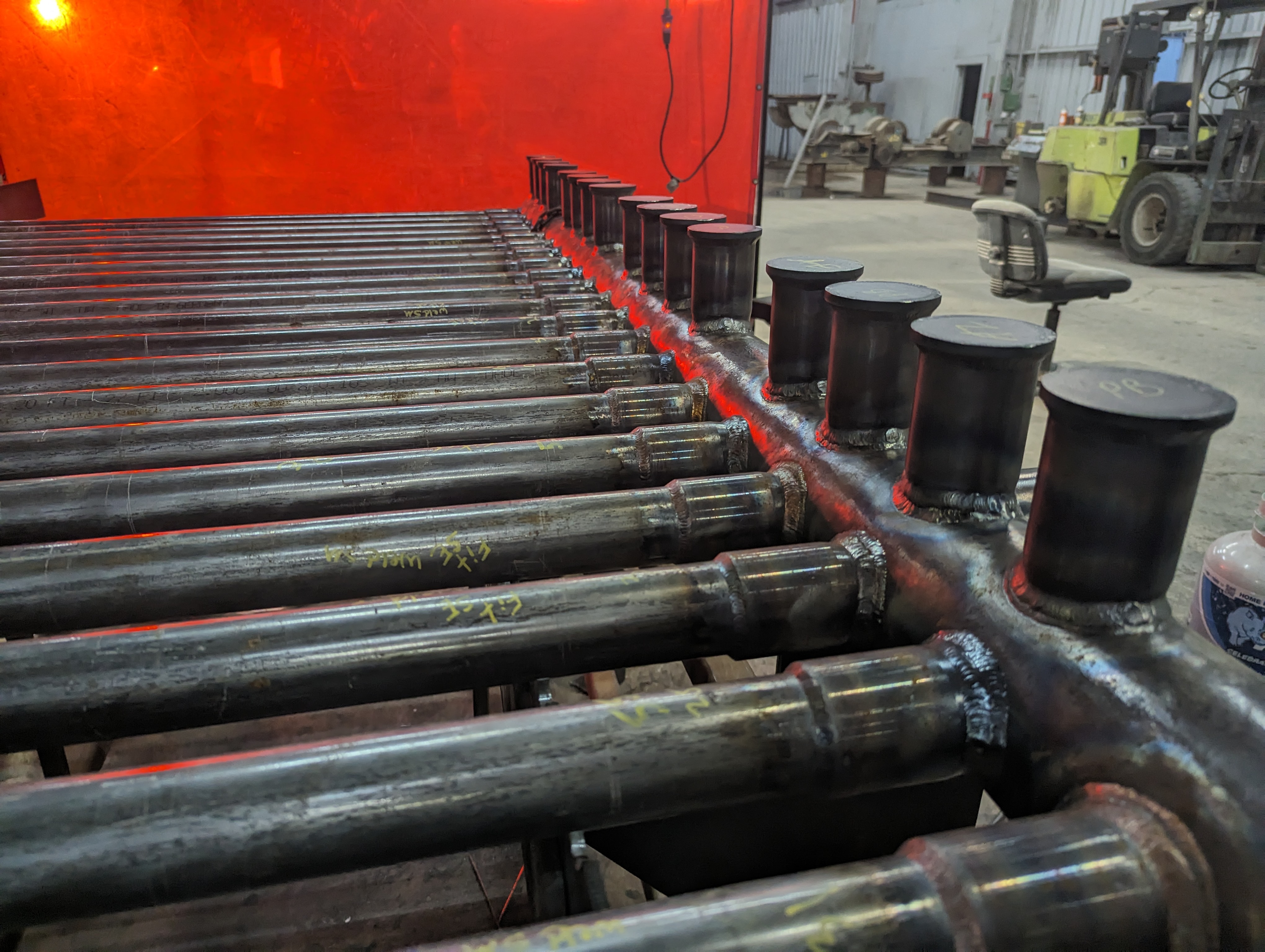
Our transition and sleeve-type connection geometries are designed to simplify fit-up and welding while reducing the effects associated with welding directly onto thin tube material. TTT connections utilize fillet-welded lap-joint geometry rather than conventional open-root tube butt welds and are designed to minimize the Heat Affected Zone (HAZ) on the original tube.
For an OEM, this creates an opportunity to address connection integrity, manufacturability and future maintainability during the original design process.
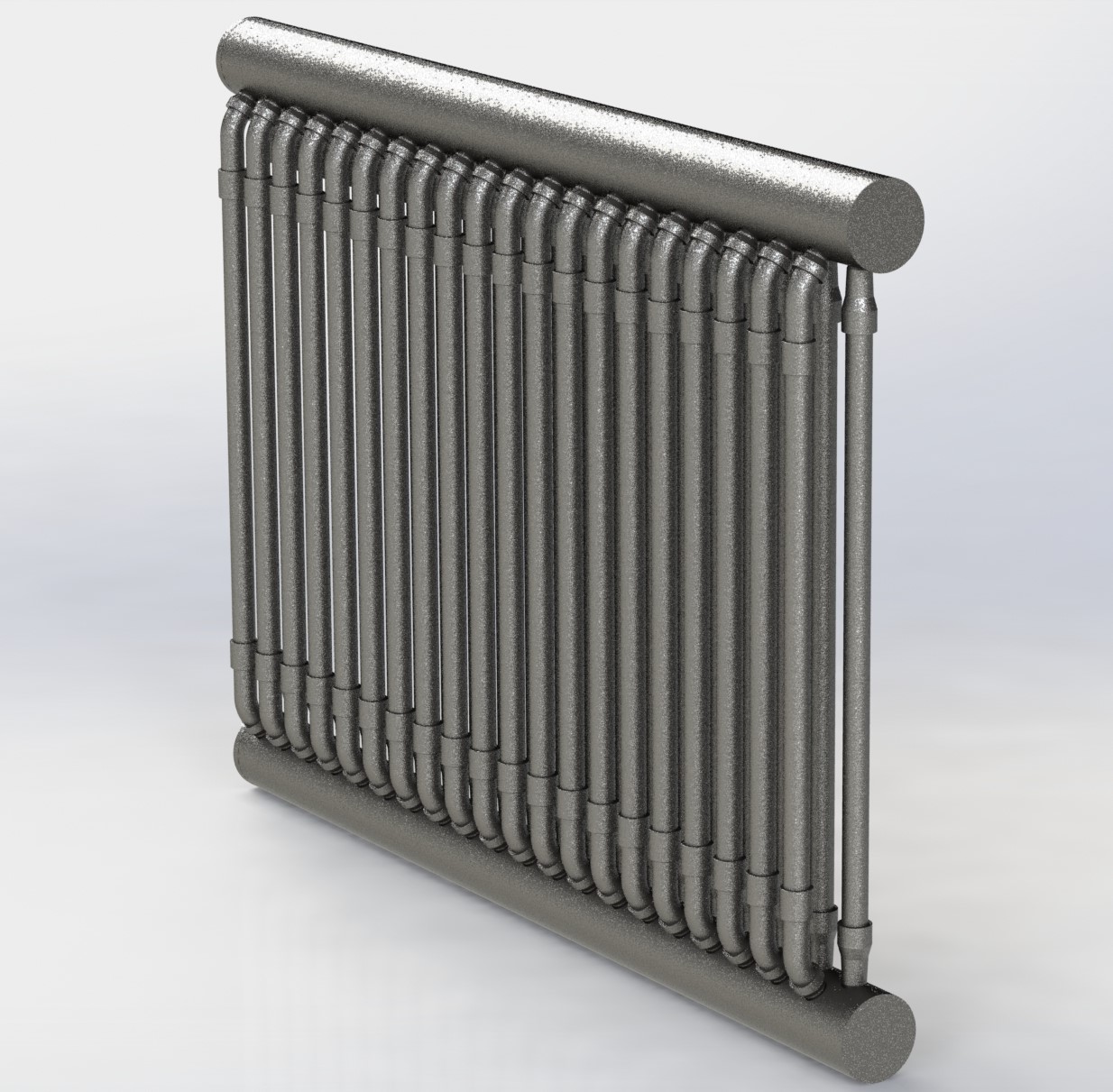
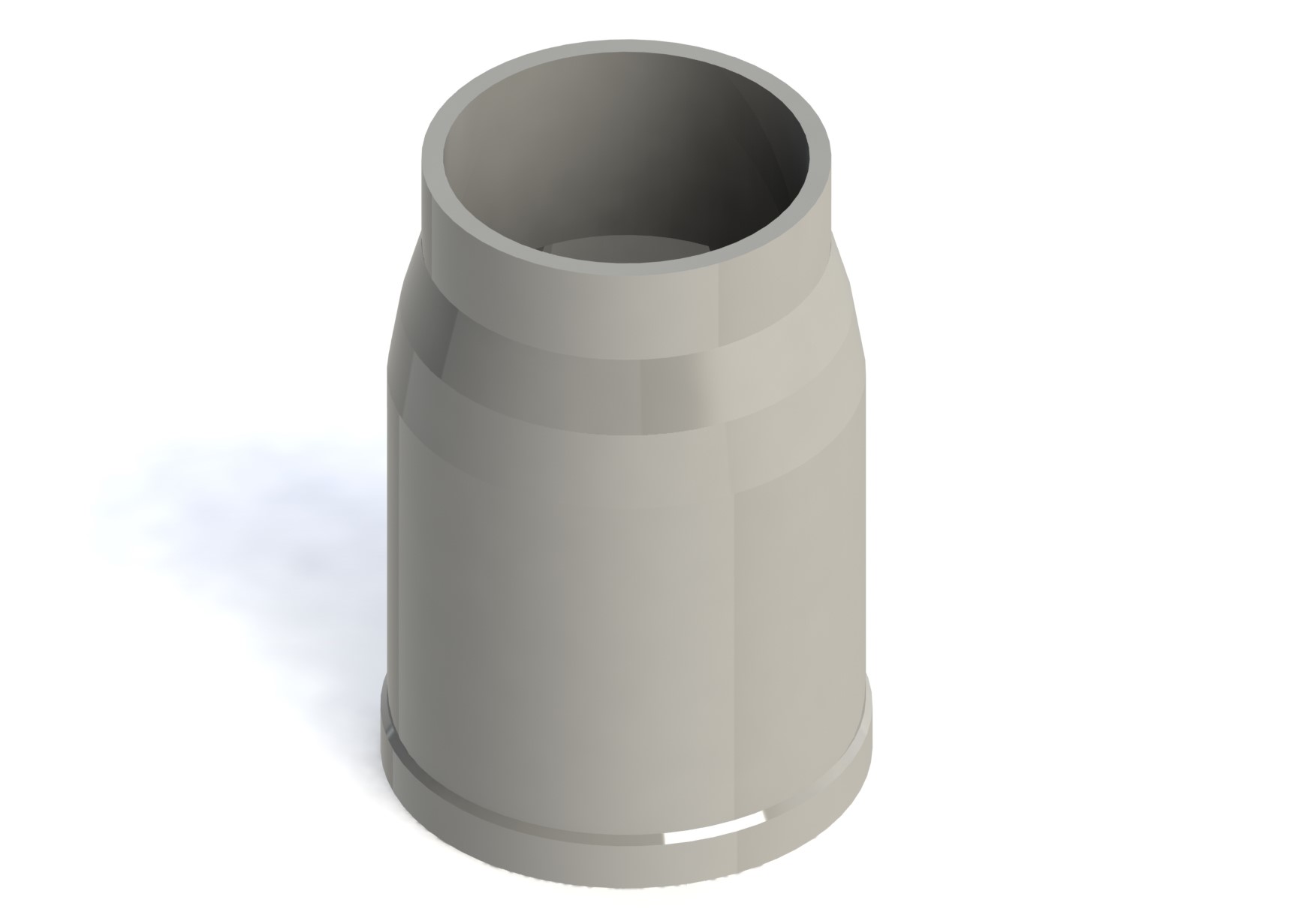
TTHC
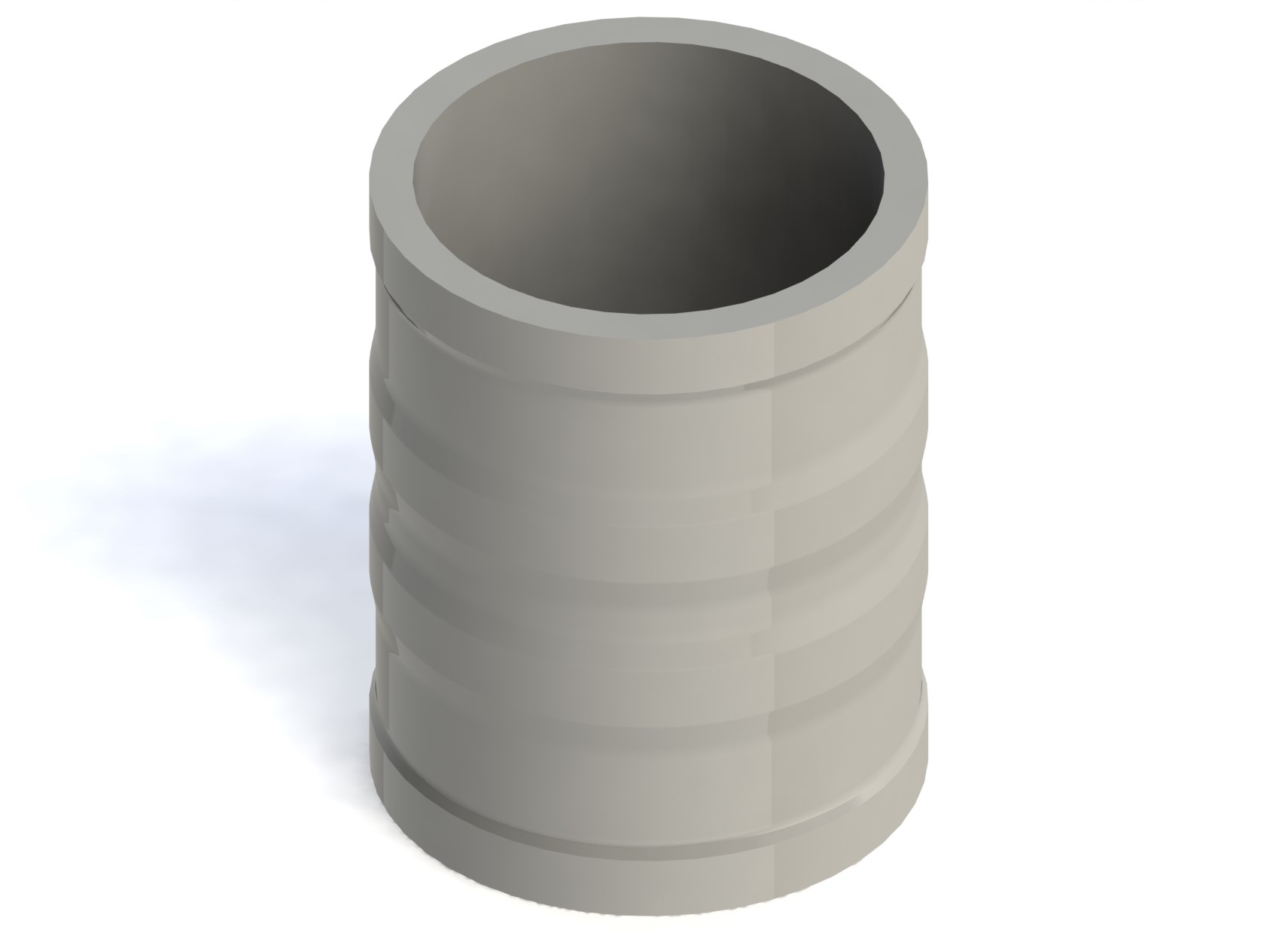
TTPS
The integration path
How OEM integration works.
OEM design data
The OEM provides the information necessary to evaluate the proposed application. This allows TTT to evaluate the connection within the actual operating and design environment.
- 3D Models
- Drawings
- Tube & Header Schedules
- Materials
- Dimensions & Tolerances
- Design Conditions
- Operating Cycles
- Loads
- Code Basis
TTT engineering integration
TTT evaluates the proposed connection and determines the appropriate configuration. Where required, project-specific drawings, technical requirements and installation or fabrication guidance can be developed for the application.
- Component Geometry
- Material
- Fit-Up
- Weld Configuration
- Installation Requirements
Engineering validation
Finite Element Analysis (FEA) or other technical validation can be incorporated where appropriate for the connection, bundle segment, loading condition or customer requirement.
Genuine TTT component supply
Patented TTT components are manufactured and supplied for incorporation into the approved design. This allows the OEM to integrate TTT technology while continuing to manufacture the underlying bundle or equipment within its established fabrication and quality systems.
Fabrication & quality support
TTT can support the integration process with technical guidance, approved requirements, training, inspection support and review of installation procedures. The objective is straightforward: ensure the technology incorporated into the engineering design is correctly carried through fabrication and installation.
The case for new build
Why integrate TTT into a new build?
Design for reliability
TTT connection geometry was developed around real-world HRSG failure mechanisms and the challenges associated with the Heat Affected Zone in conventional connections.
Simplify fabrication
TTT's lap-joint geometry and fillet-welded connections are designed to simplify fit-up and welding compared with conventional tube butt-weld configurations.
High-alloy applications
TTT technology eliminates the need to back-purge the TTT weld joint, providing a significant fabrication advantage when working with high-alloy materials where conventional open-root welds can require more complicated purge arrangements.
Engineering validation
Where appropriate, FEA can be incorporated into the integration process to evaluate the TTT connection within the specific OEM configuration and operating conditions.
Design with future maintenance in mind
The technology used in the original build can also provide a foundation for future repair and replacement strategies using the TTT product family.
Scale of integration
From individual connections to complete HRSG sections.
TTT technology can be integrated at more than the individual connection level.
Tuff Tube Transition can support the fabrication and replacement of complete HP, IP and LP HRSG sections, incorporating TTT connection technology into the assembly from the design and fabrication stages.
For new-build and replacement applications, this creates an opportunity to engineer the connection strategy into the section before it reaches the field — combining OEM equipment expertise with TTT connection technology and designing with future maintenance in mind.
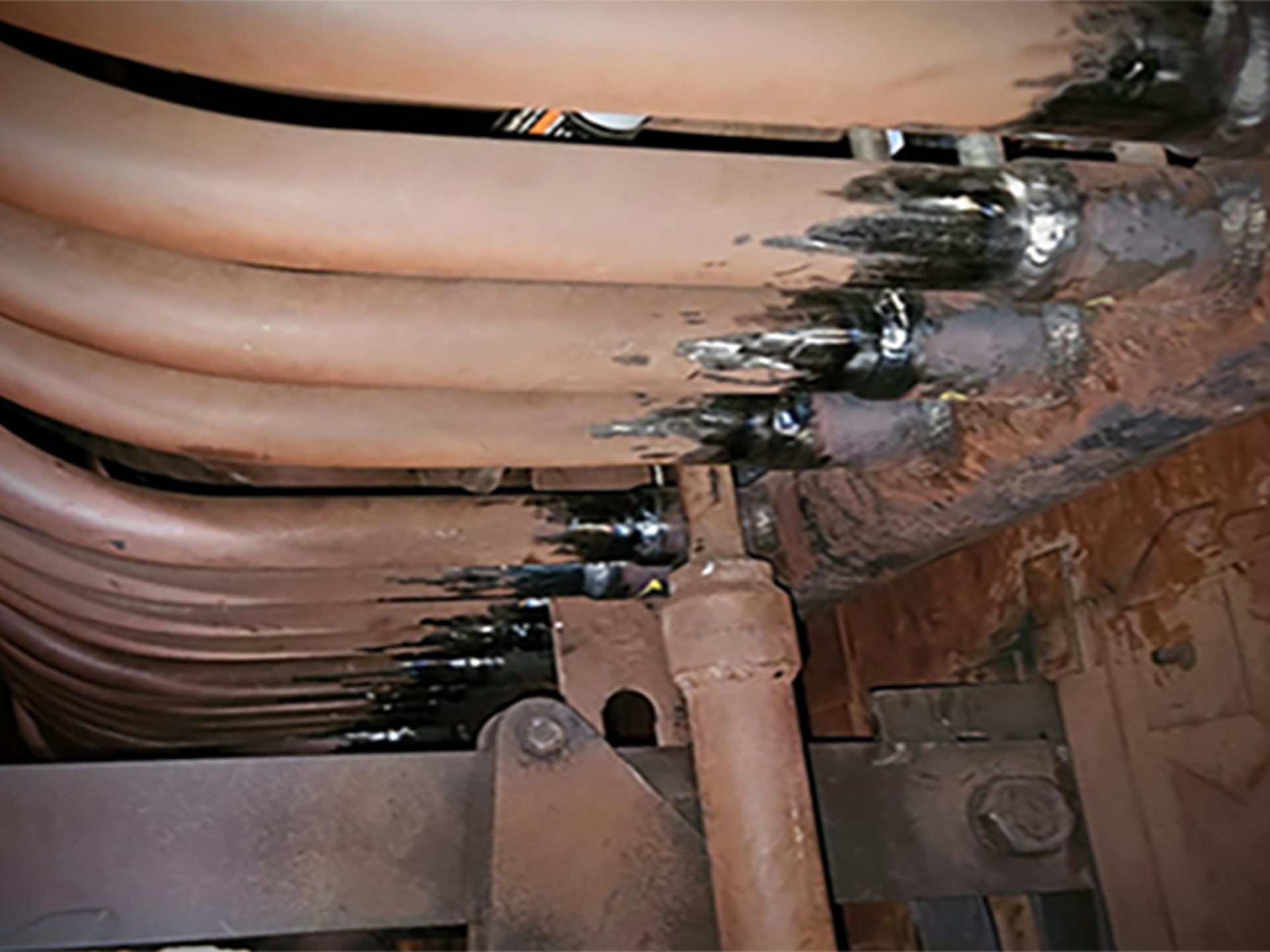
A collaborative engineering partnership
Two areas of expertise. One connection strategy.
OEM equipment expertise
TTT connection technology
A new approach to HRSG manufacturing
OEM integration is not intended to replace the manufacturer's expertise or underlying equipment design.
The OEM retains responsibility for the overall bundle design, code compliance, structural adequacy and thermal performance outside the defined TTT interface. TTT focuses on what we know best: the patented TTT connection technology and its successful integration into the application.
Engineering boundaries
Clear responsibilities. Protected technology.
The patented TTT interface
TTT evaluates and supports the TTT connection itself, including component selection, connection geometry, material, fit-up, weld configuration and installation requirements for the reviewed application.
The underlying equipment design
The OEM continues to control and remain responsible for its underlying equipment and bundle design, including overall code compliance, structural adequacy and thermal performance outside the defined TTT interface.
Approved configurations
Genuine TTT components are supplied for incorporation into approved configurations, allowing the OEM to retain its established fabrication and quality systems while protecting the integrity of the patented connection technology.
Support
Support through fabrication & installation.
Integration does not end when the drawing is approved.
TTT can support OEM projects through technical guidance, training, fabrication and installation requirements, inspection support and review of installation procedures.
Where appropriate, TTT can also support initial or critical installations with field technical guidance so that the approved connection is carried from engineering into fabrication and installation as intended.
Continuity
From new build to future maintenance.
Designing TTT technology into the original equipment can create continuity between the new build and future maintenance. The same TTT product family used within the original design can support future tube-to-header, tube-to-tube and replacement-header strategies, helping plant owners approach future maintenance with a connection system already considered during the equipment design stage.
- TTHCTube-to-header
- TTPSTube-to-tube
- HIPHeader Integrity Program — replacement header strategy
Final call to action
Let's engineer the connection from the beginning.
If you're developing a new HRSG bundle, header or pressure-part assembly, talk to Tuff Tube Transition about incorporating TTT technology during the design stage.