
Conventional vs TTT
The component is only
part of the repair cost.
A true repair comparison considers the complete installation process — fit-up, welding, purge requirements, inspection, labour, outage duration and execution risk.
See what changes when conventional connection geometry is replaced with engineered TTT connection technology.
The repair process
Same connection challenge. A different approach.
Conventional
Conventional open-root repair
- Conventional open-root butt-weld configuration
- Internal purge required where applicable
- More demanding tube-edge alignment and fit-up
- Multiple welding passes depending on procedure/application
- Conventional inspection/NDT requirements
- Welding and inspection activities can contribute to outage critical-path exposure
TTT
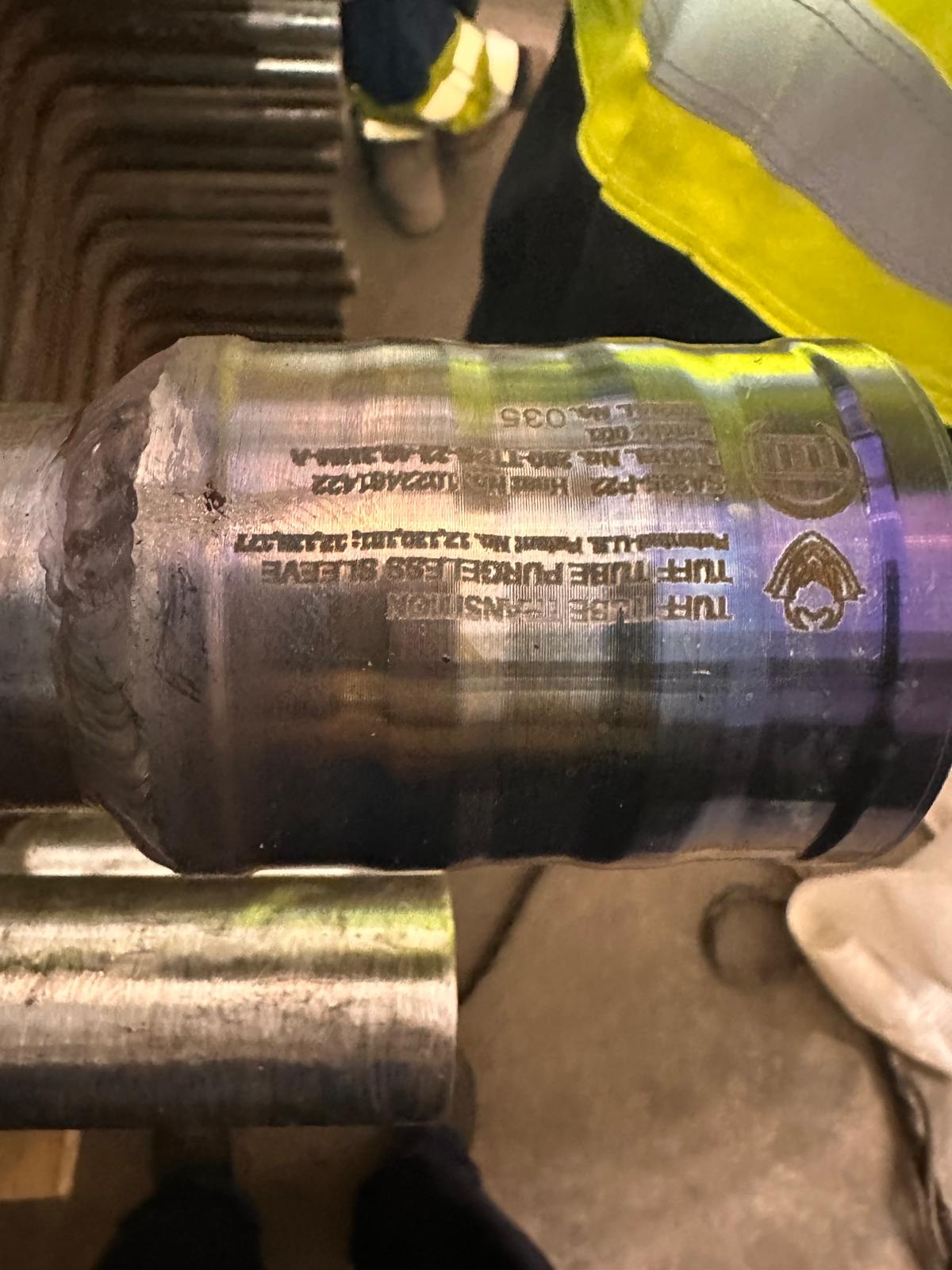
TTT connection technology
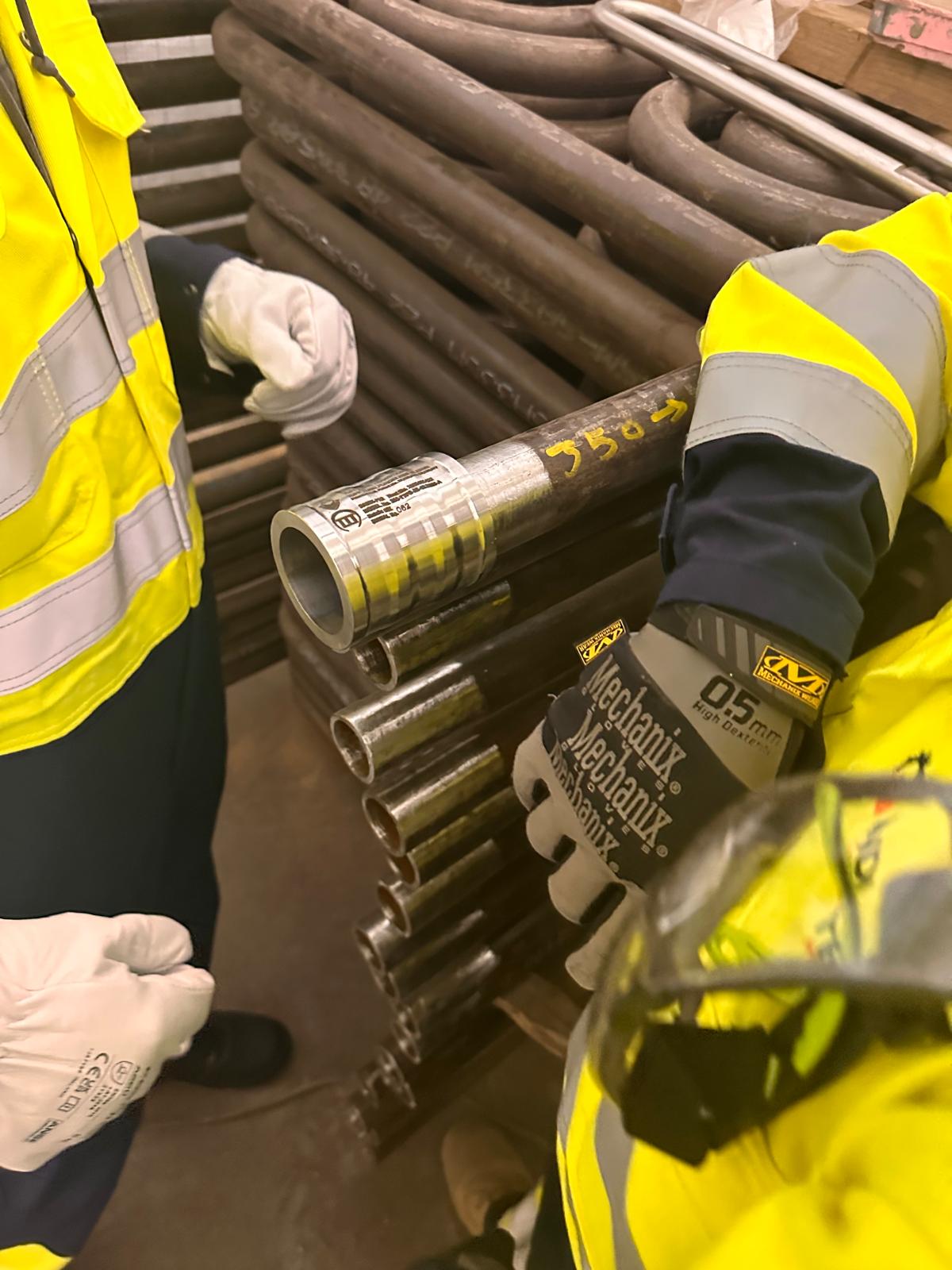
- Engineered sleeve / lap-joint connection geometry
- Fillet-welded TTT connection
- No back-purging of the TTT weld joint
- Self-aligning fit-up
- No conventional open-root butt weld at the TTT connection
- Designed to simplify field installation and inspection requirements
Original TTT engineering study
Change the connection. Change the stress distribution.
Carbon steel
25–30% LOWER
Modeled weld-area stress
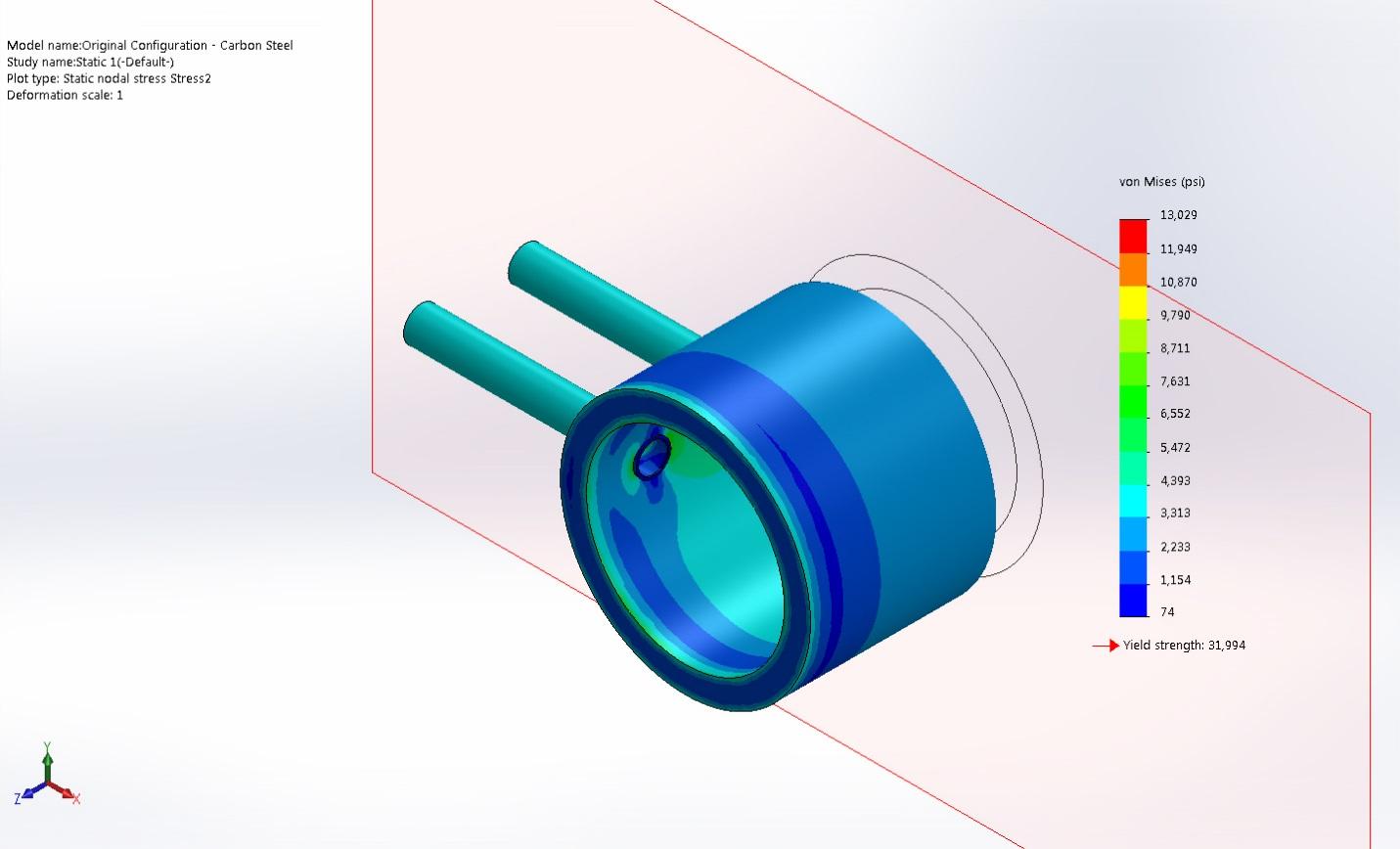
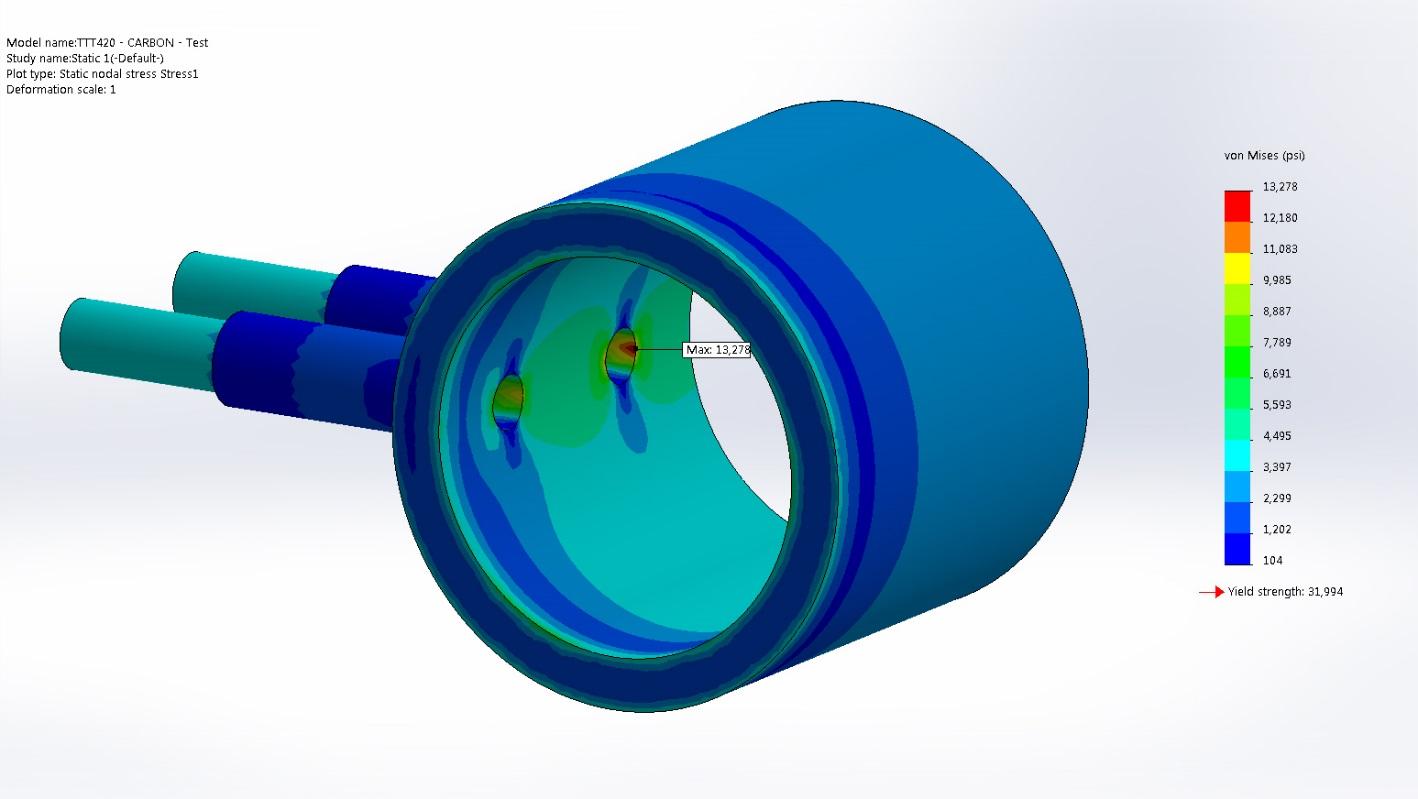
Carbon-steel configuration evaluated in the original TTT study
P91
12–15% LOWER
Modeled weld-area stress
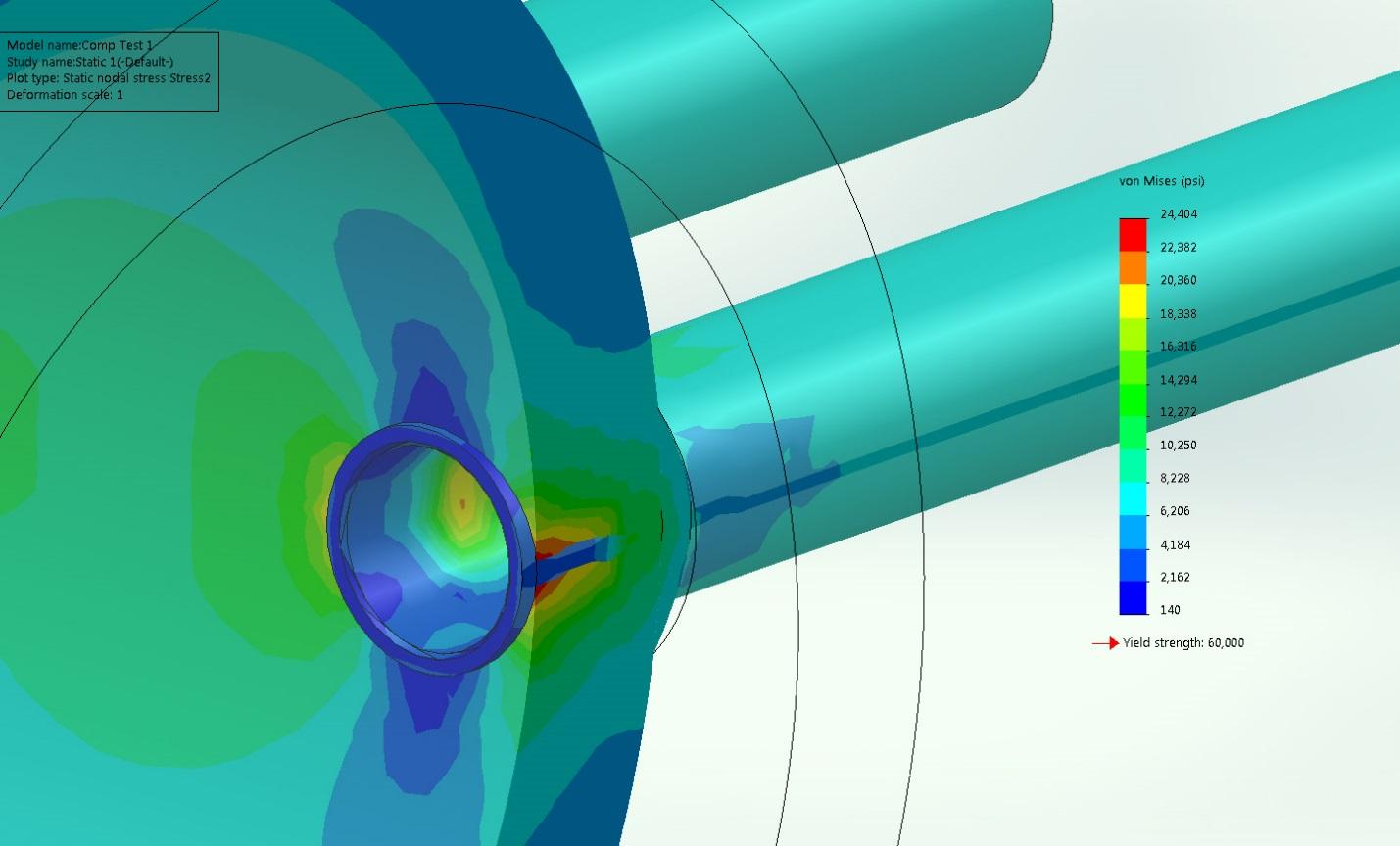
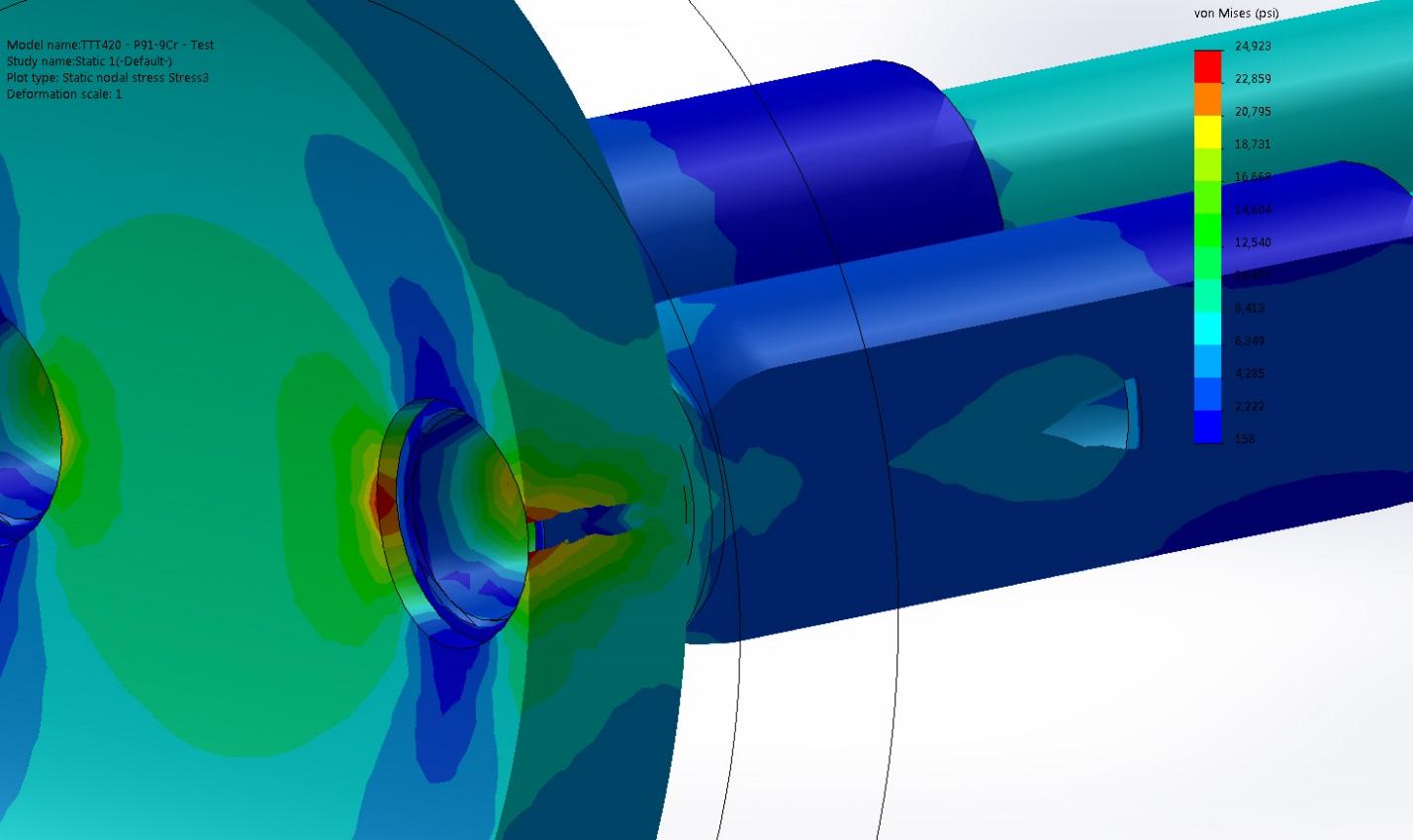
P91 configuration evaluated in the original TTT study
Results shown are from the specific configurations and loading conditions evaluated in the original engineering study and should not be interpreted as universal performance guarantees.
Full Circle Generation — Ireland
From engineering theory to field execution.
Full Circle Generation provides real-world installation and inspection evidence from a high-temperature superheater application in Ireland. Following the project, IPM Group developed a technical and commercial comparison of the TTT methodology against conventional welded repair.
The assessment considers
- 01Installation productivity
- 02Inspection burden
- 03Programme
- 04Execution risk
- 05Total installed cost
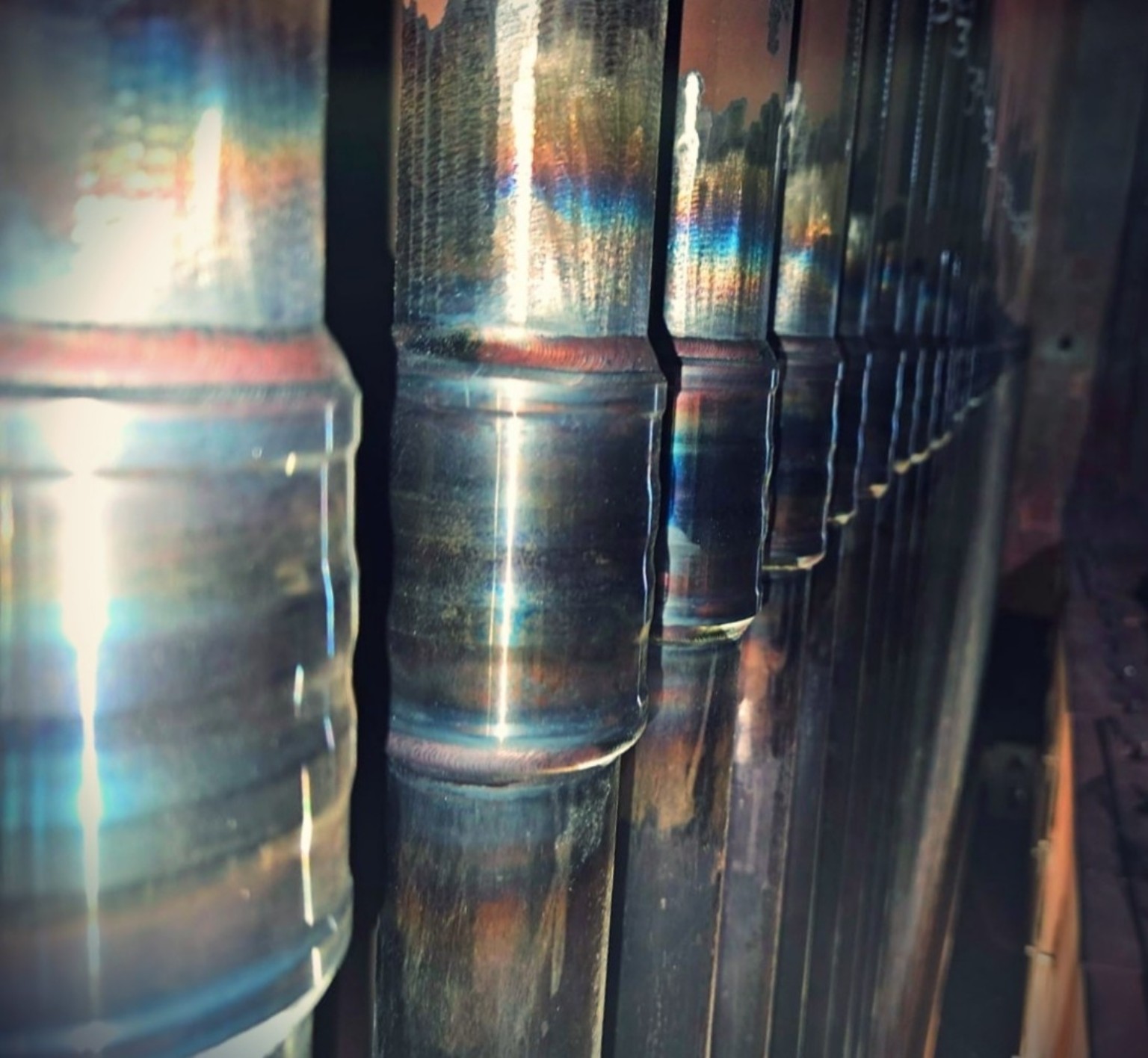
Documented field results
Measured on the project.
100%
PT inspected
0
Recorded defects
0
Recorded rework
Level B
Highest ISO 5817 quality requirement
BS EN ISO 5817
Documented results for the evaluated TTT weld population at Full Circle Generation.
Source: Full Circle Generation project inspection data referenced in the IPM Group Technical & Commercial Comparative Assessment.
Installation
approx. 3–4 days
NDT & pressure test
approx. 4–5 days
These figures describe activities within the Full Circle Generation project programme.
Full Circle comparative model
What the current model shows
Model outputs — not measured achieved savings
43% LOWER
Modeled total installed cost
58% LOWER
Modeled programme duration
69% LOWER
Modeled labour requirement
76% LOWER
Modeled NDT cost
71% LOWER
Modeled risk score
Current Full Circle Generation evaluation model. Comparative figures are preliminary model outputs based on available project records and current conventional-repair assumptions. Certain labour, NDT, programme, risk and conventional-cost inputs remain subject to validation and may change as the assessment is finalized. Figures should not be interpreted as guaranteed savings or performance for other projects.
Look beyond
the price of the part.
A meaningful comparison considers the complete repair process.
TTT was developed to change the connection — and in doing so, change the repair process around it.
Compare your application
What could TTT change on your next repair?
Send us your tube/header information and project requirements. TTT can review the application and help determine whether an engineered TTT connection is appropriate.